


Address:605 S. Main Street
Morton, IL 61550


Winter Dry Eye
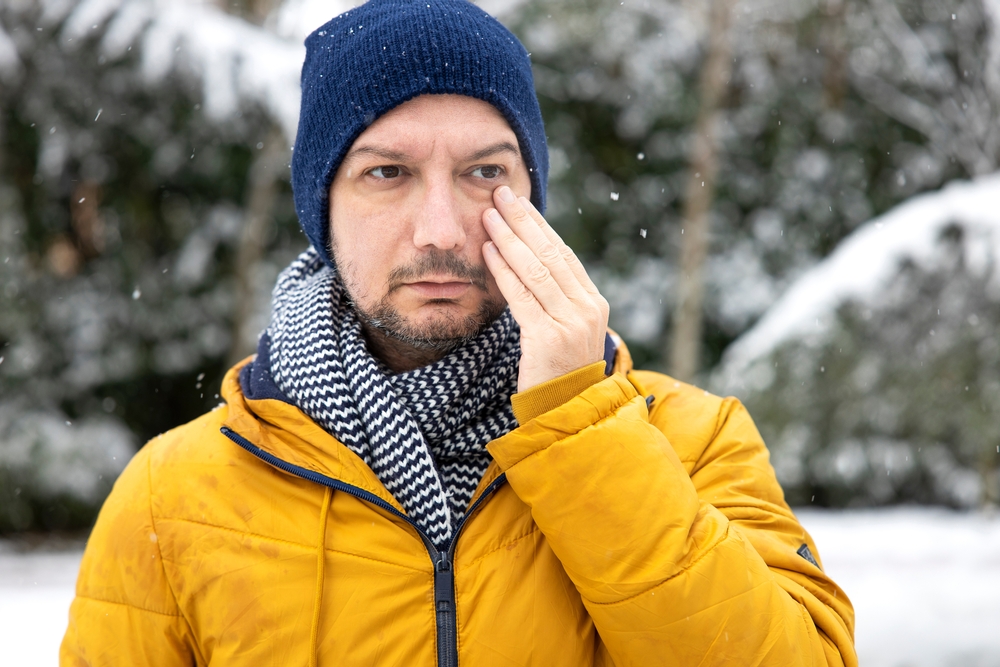
Winter is one of the toughest seasons for dry eyes, especially here in the Midwest where cold air, indoor heat, and wind all work against our tear film. Here are some practical, evidence-based tips you can use to keep symptoms under control.
1. Combat Low Humidity (The #1 Winter Trigger)
Winter indoor humidity often drops below 20–30%, and the tear film evaporates much faster.
✔️ What to do
Use a humidifier in bedrooms/living areas (aim for 40–45% humidity).
Move heating vents away from your face - especially in cars and offices.
Avoid sitting close to space heaters and fireplaces; they dramatically increase evaporation.
2. Protect Eyes Outdoors
Cold wind destabilizes the lipid layer and can cause immediate dryness/watering.
✔️ What to do
Wear wraparound glasses, ski-style goggles, or even larger sunglasses on windy days.
If you wear contacts, consider daily disposable lenses or reduce wear time.
3. Increase Use of Lubricating Drops
Tear use ramps up in winter.
✔️ What to do
Choose preservative-free artificial tears, especially if used more than 2–3×/day.
For more severe dryness, use gel drops or ointments at night.
Avoid redness relief eye drops. Many can worsen dryness long-term.
Support the Oil Layer (Meibomian Glands)
Many people have winter flares from evaporative dry eye due to thicker meibum in colder temperatures.
✔️ What to do
Use warm compresses 1-2 times daily (10 minutes).
Gentle lid massage afterward helps express healthy oils
5. Reduce Digital Eye Strain (Especially in Dry Air)
Blink rate drops by 60% during screen use, which worsens dryness dramatically in heated indoor air.
✔️ What to do
Follow the 20-20-20 rule: every 20 minutes → look 20 feet away → for 20 seconds. Performing some extra blinks with squeezing the eyelids together during these 20 seconds can help as well.
Position screens slightly below eye level to reduce exposed ocular surface area.
Reduce harsh blue/white brightness. Turning on the “night mode” or a blue-blocking mode on your monitor can help if you don’t have glasses that block blue light.
6. Hydration + Healthy Fats
Hydration and lipids both support tear quality.
✔️ What to do
Increase water intake during winter (people often drink less in the cold).
Consider omega-3 supplementation (re-esterified triglyceride form preferred).
Add naturally fatty foods: salmon, walnuts, flaxseed, chia.
7. Nighttime Protection
Heat and fans overnight worsen morning dryness.
✔️ What to do
Use a sleep mask or moisture-chamber mask.
Avoid fans blowing toward the bed.
8. When to Consider In-Office Treatment
Winter can unmask underlying dry eye issues that are present year round.
Consider professional evaluation if patients experience:
Burning, stinging, or sandy/gritty feeling
Stringy mucus
Excessive tearing
Red eyelid margins or consistent morning dryness
Soreness during the day
If you’re having a hard time getting your winter dry eyes under control, give us a call or use the schedule link below! You shouldn’t have to deal with these symptoms on your own.
Schedule an Appointment
Powered by

